

Fried Green Tomatoes: Juliet, Georgia
The wonders of Octagon soap, the music of whistling trains, the meandering brown Ocmulgee River and eating Fried Green Tomatoes. These are the simple charms of Juliette, Georgia, an old cotton and gristmill town 15 miles north of Macon that time and the railroad line forgot, but Hollywood didn’t.
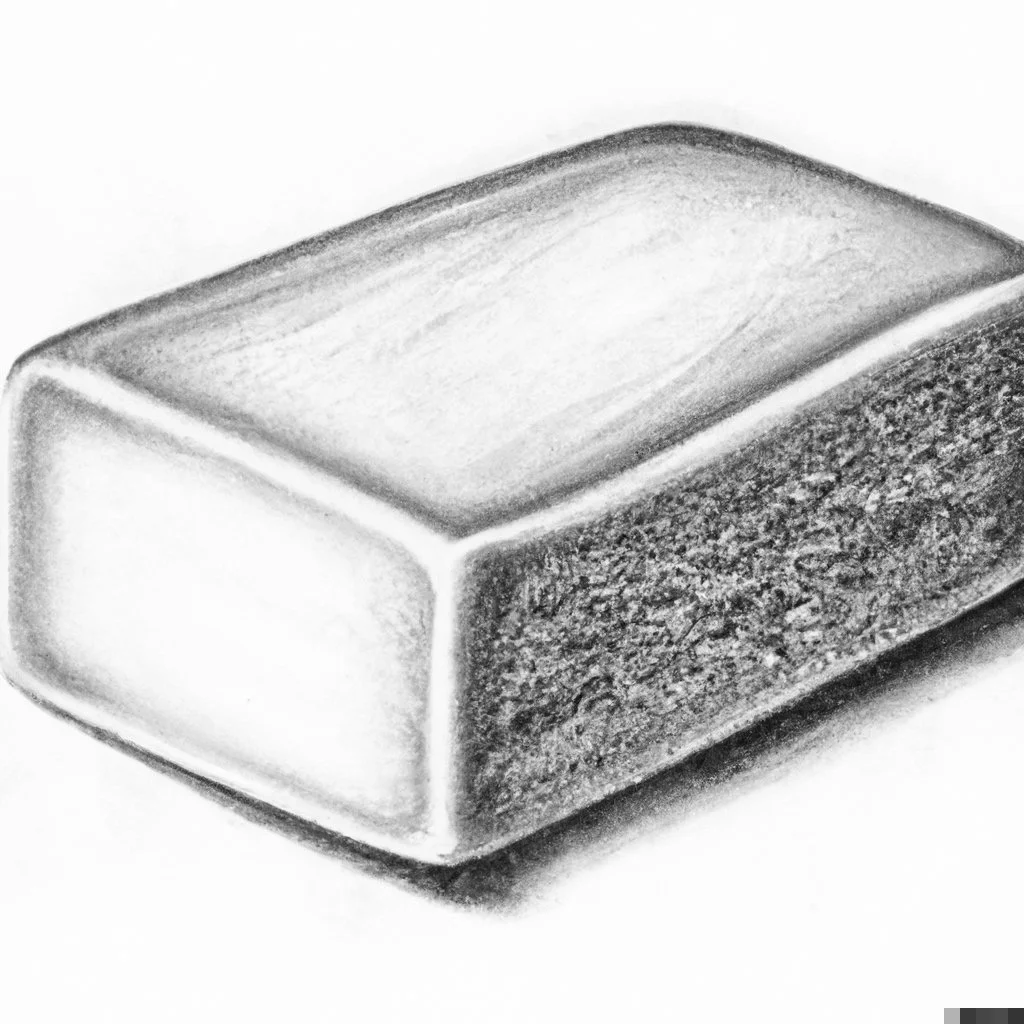
“I don’t think it floats, but you can wash yer skin and yer hair with it. And yer dishes and yer overalls. And well heck yer tractor and yer floors, ” the old man said. “We used it fer durn near everythin’ when I was growin’ up. It ain’t yer fancy-smancy Mar-say French milled, but a bar of Octagon All Purpose’ll keep everybody and everything on the farm spankin’ for a month.”
I’d been poking around the aisles of Martin Bowdoin’s Country Store in Juliette, Georgia. I’d shown a fascination for the jugs of “Scrape Juice” - a red gooey liquid guaranteed to be “Deer-Lerious. Habit forming.”
“Draws deer closer so that you can kill ‘em,” the old man explained.
“And what about this soap that ‘eliminates human odor’ even in clothes?” I asked.
“For deer hunters.”
Then switching soaps, the man skipped into a nostalgic patter on Colgate’s Octagon All-Purpose. As he spoke, I could almost see the aluminum washtub sloshing with soap-filmy water in the old plank-floored kitchen. So I bought a seven-ounce bar. Big white, black and red wrapper said “...dissolves grease fast. You’ll like it, also, to keep your stove, cabinets and woodwork sparkling clean.” It was hard as marble and the color of grime itself. Smelled like crude pine tar with a whiff of Cashmere Bouquet. A handy soap to travel with, if it could clean everything from bumpers to knickers.
The wonders of Octagon soap...the music of whistling trains... swappin’ gossip at Bowdoin’s...goin’ fishin’ in Lake Juliette or the meandering brown Ocmulgee River...and eating Fried Green Tomatoes. These are the simple charms of Juliette, Georgia, an old cotton and gristmill town 15 miles north of Macon that time and the railroad line forgot, but Hollywood didn’t.
Juliette, Georgia, named after the daughter of the railroad engineer McCracken of the Southern East Tennessee, Virginia and Georgia Railroad, once boomed with factories and shops and general stores and the largest water-powered gristmill in the world. But by 1957 the town was starting to give up the ghost. Its gristmill stopped grinding. Its factories closed. Buildings and houses were left to rats and rot. Then in 1990 Universal Studios Director Jon Avnet and Production Designer Barbara Ling came scouting for a location for Fried Green Tomatoes at the Whistle Stop Cafe , the wonderful movie about love and friendship between two spirited women, Idgie Threadgoode and Ruth Jamison, and a macabre murder.
Within weeks, Juliette’s rotting buildings were resurrected. Old ones got new facades. The ghost village by the tracks became a whistling railroad town of the early 1900’s, with original train depot, hardware store with picks, hoes, shovels feeds and seeds, and a cafe serving up country ham hocks, sausage, biscuits and red-eye gravy, grits, fried green tomatoes, and saucy gossip.
If you visit Savannah, Georgia, you’ll be touted a Midnight in the Garden of Good and Evil tour featuring graveyards, voodoo motifs, and where-it-happened shooting locations. Tourism has turned the book into a parody of itself. Visit Atlanta, and you’ll see it still burning in Margaret Mitchell’s Gone With The Wind . But Juliette, Georgia is a different phenomenon. Arisen from the ashes of its grist mill, it has been hypnotised by Hollywood into substituting its own history for that of Whistle Stop, Alabama, the town in the heart of Klu Klux Klan country which was the real setting for Fannie Flagg’s 1987 best-selling Pulitzer Prize-nominated novel Fried Green Tomatoes at the Whistle Stop Cafe.
Good ole Whistle Stop. First the novel. Then the film. Now the tee-shirt selling a born-again town haunted with characters named Smokey Lonesome, Inky Pardue, Splinter-Belly Al and Warthog Willy, who never lived here at all.
I wheeled into sweet-smelling Juliette on the steamy morning of Thursday, May 17th to find it almost empty. Only an old pick-up truck and few old cars along McCracken Street. But the air was filled with an apocalyptical buzz that sounded like an alien invasion, or the whirring of a thousand lawn sprinklers.
Swarming cicadas. It happens only once every thirteen years-- the nymphs of millions of these giant bugs they call Flying Cigar Butts, Satan’s Parakeets, and Living Hair Curlers, come up out of the ground after sucking on root sap for 13 years. Within hours they grow crusty carapaces with translucent veiny wings covering thick black bodies and bright orange compound eyes. Then they crawl up the trees, buzz the air, litter the lawns. Frightening to look at. Horrible to crunch underfoot. Shocking in their Biblical multitudes. But the rising-falling cadence of these thirteen-year periodical cicadas’ mating songs is a summer sonata speaking of seduction and sweaty nights.
Walking along willow-hung McCracken Street, I pause beside an outhouse labeled “Juliette Police Department” to stare at what looks like a freshly-dug grave. A crude inscription in the cement reads: “Here Lies Buddy Jr’s Arm 1929-36
So Long Old Pal.”
A voice behind me says “They had a ceremony to bury that arm just a few weeks ago, just before Universal Studios came back to start filming the mini-series.” The man who is loading a canoe onto a truck introduces himself as Mike Seekins of Take Me To the River Rentals. He’s talking as if there really IS an arm buried under there.
“You know they murdered that wife-beating husband of Ruth Jamison’s on the night of December 13, 1930 then they cut him up and barbecued him. The whole village turned out for the barbecue and ate him, not knowing what they were eating, of course, because Big George’s barbecue sauce was SO delicious. ‘The secret’s in the sauce,’ is what they say around here. The only evidence of the murder, all they found of his body, was that arm,” says Mike in a helpfully informative tone.
“There was never a bank in Juliette. That bank was put there for the movie, and it’s not even made of real brick-- it’s vinyl brick. Like the smokestack on top of my building down here, which was the original 1880 train passenger depot. There’s no chimney inside.
“We get so many visitors here, it’s incredible,” Mike continues. They come to eat. Just eat. Fried green tomatoes. But now I’m starting to take them canoeing on the River. You won’t get cleaner water any where than on this 20-mile stretch of the Ocmulgee. It’s almost drinkable. Bald eagles, osprey, wild turkey, deer, freshwater otter --no telling what you’ll see.”
Mike’s talk of barbecue didn’t squelch my appetite for a mess of fried green tomatoes and some iced tea at the Whistle Stop Cafe. But walking past Idgie and Ruth’s house, I suddenly realize that he got the story all mixed up. Mean old wife-beater Frank Bennett was barbecued and eaten, arms and all. (Although the town was convinced that he’d drunkenly driven his truck into the river and was eaten by an alligator.) “Buddy” was Ruth’s son, who lost his arm in a train accident when he was only seven years old. Which explains the date of the tombstone inscription: 1929-1936. It’s important to get the story right, even if it never happened.
I saunter into the Whistle Stop Cafe. Back in time, to tinned-ceilings whirring with fans, straight-backed caned chairs, old wood tables, and a long counter topped with a fireman’s boot filled with donations for the Georgia Fire Fighters Association.
I sit down in a window booth, coincidentally, the very one where that skinny hook-nosed detective Curtis Smoote gobbled a barbecue sandwich made from the flesh of the man whose murder he was trying to solve. Sipping ice tea from an old Mason jar, waiting for my biscuits and gravy and fried greens, I stare around at the framed movie posters and photographs with images of Jessica Tandy, Kathy Bates, Mary Stuart Masterson and Mary-Louise Parker, musing on vinyl bricks and chimneys. Then through the din of cidadas, an old train whistle looms louder and louder. Is it really real? And that smell I’m smelling...is it bar-be-cue?#######
QUICK HITS!
There’s more to do around Juliette than eatin’ fried green tomatoes. This town in Georgia’s Historic Heartland is on the edge of the Oconee National Forest, and four state parks offer camping, hiking, hunting, fishing and boating. East of Juliette, the Ocmulgee National Monument traces the region’s native American Indian heritage back 12,000 years. Then there’s the Piedmont Wildlife Refuge, fishing and boating on Lake Juliette and exploring the ante-bellum splendor of the 1847 Jarrell Plantation Historic Site.
At nearby Eatonton, whose courthouse square features a statue of Brer Rabbit, you can visit the Uncle Remus Museum celebrating the tales of Joel Chandler Harris. In Macon, you can prowl the historic quarter alone, take one of Sidney's Historic Tours, or discover Old Macon’s remarkable variety of architecture through three historic walking tours. Macon's Harriet Tubman Historical and Cultural Museum is a tribute to the city's and the nation’s African-American heritage. #######